Master the Boxing Hook: Technique, Power & Knockout Strategies

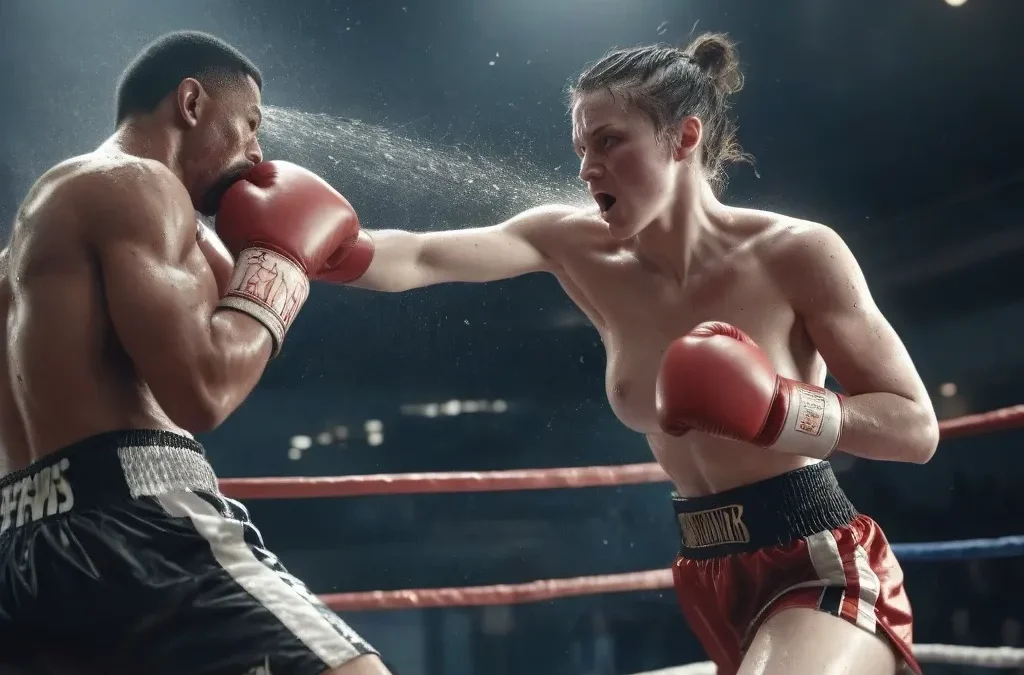
The roar of the crowd fades as the boxer steps forward, feinting with a jab, then WHAM! A perfectly timed hook connects, and the opponent crumples to the canvas. It’s a scene etched in boxing history, a testament to the devastating power of the boxing hook. More than just a punch, the hook is an art form, a display of leverage, timing, and raw force that can end a fight in an instant.
From legendary slugfests to modern-day masterpieces, the hook has been a staple of champions. Its versatility allows it to be thrown from various angles, targeting the head or body with fight-altering impact. It’s a knockout punch, a game-changer, and an essential weapon in any serious fighter’s arsenal.
This guide will dissect the boxing hook, providing insights into its mechanics, variations, and strategic implementation. Whether you’re a seasoned pugilist or a newcomer to the sweet science, this exploration aims to empower you with the knowledge to understand and, master the boxing hook. Unlock the secrets of this power punch and add a knockout blow to your fighting repertoire.
What is a Hook in Boxing?
The boxing hook is a devastating punch delivered with a bent arm, targeting the opponent’s side of the head or body. It’s a power punch, relying on body rotation and leverage to generate force, making it a staple in any boxer’s arsenal.
Lead Hook
The lead hook is thrown with the boxer’s lead hand (the hand closest to the opponent). Because it travels a shorter distance, the lead hook can be quicker and is often used to disrupt the opponent’s rhythm, create openings, or land a surprise blow. A key advantage of the lead hook lies in its ability to catch an opponent off guard, especially when they’re moving laterally. Mastering the lead hook involves pivoting on the lead foot while simultaneously rotating the hips and core to maximize power.
Rear Hook
Conversely, the rear hook is executed with the boxer’s rear hand. While it takes longer to land than the lead hook, it generates significantly more power due to the greater distance traveled and the increased body rotation involved. The rear hook is particularly effective against opponents who are moving towards the boxer or are stationary. Successfully executing the rear hook requires a full commitment of body weight and a complete rotation through the hips and shoulders.
The Biomechanics of a Devastating Hook
The hook, a staple in boxing and martial arts, isn’t just about swinging an arm. It’s a symphony of coordinated body movements, a potent display of biomechanics where power originates not from the arm itself, but from the ground up. To truly understand and execute a devastating hook, one must delve into the principles of rotational force and the kinetic chain.
Forget the myth of brute arm strength. A powerful hook harnesses the kinetic chain, initiating force generation from the feet. The drive from the legs provides the initial momentum, transferring upwards through the ankles, knees, and most importantly, the hips. The hips are the engine room of the hook, responsible for generating significant rotational force. This rotation isn’t a simple swivel; it’s a deliberate and explosive coil and release, much like a spring uncoiling.
The core muscles play a crucial role in stabilizing the body and efficiently transferring power from the lower body to the upper body. A strong core prevents energy leakage, ensuring that the rotational force generated by the hips is effectively channeled into the punch. As the torso rotates, the shoulder of the lead arm comes forward, bringing the arm into the hook’s trajectory. The arm itself acts as a lever, delivering the accumulated force to the target.
Proper technique is paramount. The angle of the arm, the tightness of the fist, and the point of impact all contribute to the hook’s effectiveness. A well-executed hook lands with the knuckles connecting squarely, maximizing impact and minimizing the risk of injury. By understanding and mastering these biomechanical principles, any fighter can transform their hook from a mere punch into a devastating weapon.

Hook Variations: Finding Your Signature Punch
The hook is a devastating punch in boxing, but it’s not a one-size-fits-all technique. Mastering different hook variations can significantly enhance your offensive arsenal, allowing you to exploit openings and keep your opponent guessing. There are the lead hook, body hook, check hook, and shovel hook. Each type has its own unique purpose and execution, making it perfect for specific situations in the ring.
Lead Hook
The lead hook is one of the most common and powerful hooks in boxing. To execute a lead hook, start with your lead foot, pivoting explosively while simultaneously rotating your hips and shoulders. Keep your elbow bent at roughly a 90-degree angle and aim to connect with the side of your opponent’s head or jaw. It’s important to maintain a tight fist and keep your opposite hand high to protect your face. For an orthodox stance, the left hook is used as a lead hook.
Body Hook
Targeting the body with hooks can sap an opponent’s strength and wear them down over time. The body hook generally follows the same principles as the lead hook, but you’ll need to lower your target. Bend your knees slightly to get to the body. Focus on driving your fist into the opponent’s ribs or solar plexus. Your shots need to be precise, so you don’t hit the elbows.
Check Hook
The check hook should be used for defensive purposes. It is a quick, short hook designed to disrupt an opponent’s forward momentum and create space. As they advance, pivot away from their attack while simultaneously throwing a hook with your lead hand. The key is to maintain balance and use the hook to “check” their progress, creating an opening for you to counter or reposition.
Shovel Hook
The shovel hook is a hybrid punch, combining elements of both an uppercut and a hook. It’s typically thrown to the body. Bend your knees and angle your fist upward. The motion should be a rising arc, like shoveling dirt. This punch can be especially effective at close range, targeting the liver or floating ribs. The shovel hook’s awkward angle can make it difficult to defend against, adding a unique dimension to your inside fighting game.
Mastering Timing and Setup
The hook, a devastating arc of power, isn’t just about brute force; it’s a symphony of timing and meticulous setup. A poorly timed hook, telegraphed and predictable, is easily evaded, leaving the boxer vulnerable. Mastering the art of the hook means understanding the subtle dance of distance, rhythm, and deception.
The Essence of Boxing Timing: Boxing timing is not merely about speed; it’s about anticipation. It’s the ability to predict your opponent’s movements, to capitalize on their openings with the precise punch at the perfect moment. With the hook, timing dictates whether it connects flush, glancing, or misses entirely. Practice anticipating your opponent’s rhythm and patterns to develop the reflexes necessary for impeccable timing.
Feints: The Language of Deception: A feint is a deceptive movement designed to elicit a reaction from the opponent. A well-placed feint can disrupt the opponent’s guard, pull them out of position, or create a false sense of security. A flicker of a jab, a subtle shift of weight, or a twitch of the shoulder can be enough to coax the opponent into revealing an opening for the hook. By varying the timing and intensity of feints, you can keep your opponent guessing, making them vulnerable to the true attack.
Setup Supremacy: More Than Just Power: While raw power is an asset, it cannot compensate for a poor setup. A perfectly timed and placed hook, even without maximum power, can deliver a knockout blow. A strong setup often involves a combination of footwork, feints, and other punches to maneuver the opponent into the ideal position. For instance, a sharp jab to the body can make the opponent drop their guard, creating an opening for a hook to the head.
Ring Generalship: Orchestrating the Attack: Ring generalship is the art of controlling the pace, distance, and position of a fight. By dictating the terms of engagement, a skilled fighter can create opportunities for their favored punches, including the hook. Cutting off the ring, controlling the center, or using angles to trap the opponent can all play a role in setting up the perfect hook. It’s about turning the ring into a chessboard, where every move is calculated to lead to the desired outcome: a devastating hook landing with precision.
Training Drills to Sharpen Your Hook
The hook, a devastating punch delivered with finesse and power, is a staple in any boxer’s arsenal. Honing this weapon requires dedicated training that focuses on technique, power, and speed. The following drills are designed to sharpen your hook and elevate your performance in the ring.
Perfecting Hook Technique
Shadow Boxing for Form: Begin with shadow boxing, concentrating solely on your hook. Stand in front of a mirror, visualizing your opponent. Rotate your hips and pivot your lead foot as you throw the punch, ensuring your elbow stays bent at roughly 90 degrees. Focus on maintaining balance and keeping your guard up. Repeat for 3 rounds of 3 minutes, paying close attention to every detail.
Bag Work Refinement: Transition to the heavy bag. Use the same technique practiced in shadow boxing, but now focus on impact. Aim for a specific point on the bag, driving through with your hook. Vary your targets – head, body, and angles – to simulate different scenarios. Implement bursts of hooks, followed by footwork drills, for a comprehensive workout. Do 3 sets of 10 hook punches.
Generating Hook Power
Medicine Ball Rotational Throws: Incorporate medicine ball throws to build core strength and rotational power. Stand with your feet shoulder-width apart, holding a medicine ball. Mimic the hook motion, rotating your torso and throwing the ball against a wall. Focus on generating power from your core and legs. Repeat 3 sets of 10 throws on each side.
Resistance Band Training: Attach a resistance band to a sturdy object. Stand perpendicular to the anchor point, holding the band in your hand. Replicate the hook motion, pulling the band across your body. The resistance will challenge your muscles and enhance power. Perform 3 sets of 12-15 repetitions on each side.
Increasing Hook Speed
Speed Bag Drills: The speed bag is excellent for developing hand-eye coordination and punch speed. Focus on maintaining a consistent rhythm and generating quick, compact hooks. Start slowly and gradually increase your speed as you become more comfortable.
Partner Reaction Drills: With a partner, practice throwing hooks in response to their movements. Your partner can use focus mitts or simply move around, requiring you to react quickly and throw accurate hooks. This drill will improve your reflexes and punching speed in a dynamic environment.

Common Mistakes to Avoid
The hook, a devastating punch when executed correctly, is unfortunately prone to errors that can rob it of its power and leave a boxer vulnerable. Recognizing and correcting these common mistakes is crucial for maximizing the hook’s effectiveness.
One frequent error is telegraphing the punch. This occurs when a boxer subtly signals the intention to throw a hook, giving their opponent valuable time to react. It might involve a slight twitch of the shoulder, a telltale shift in weight, or even a momentary pause before initiating the movement. Avoiding this requires conscious effort, focusing on maintaining a consistent stance and disguising the punch within a fluid combination.
Another common mistake is dropping the hand. This leaves the boxer exposed and weakens the punch. The hand should remain at cheek level, protecting the face until the moment of impact. Keeping the non-punching hand high is just as vital for defense. This error often stems from fatigue or a lack of focus but can be corrected through consistent drilling and mindful practice.
Finally, many boxers fail to rotate the body correctly when throwing a hook. The power of the hook comes from the transfer of energy from the legs, through the core, and into the arm. Without proper rotation, the punch lacks snap and force. Focus on pivoting on the lead foot and driving the hips into the punch to maximize power and ensure proper technique. Correct rotation not only enhances power but also helps to protect the shoulder joint from injury.
Integrating the Hook into Your Overall Strategy
The hook isn’t a standalone weapon; it’s a devastating element within a broader boxing strategy. Mastering punch combinations is crucial. For instance, a jab can set up the hook, creating an opening for it to land with maximum impact. Following a hook with a straight right can overwhelm an opponent who’s reeling from the initial blow.
Defensive boxing goes hand-in-hand with an effective hook. Slipping or parrying an opponent’s attack can create a window to unleash a well-timed hook as a counter-punch. This tactic requires anticipation and precision. Counter-punching with a hook disrupts their rhythm and turns their offense into an opportunity for you. Think of fighters who bait their opponents, drawing them in before detonating a hook that changes the fight’s complexion.
Ultimately, integrating the hook means understanding distance, timing, and the opponent. It’s about weaving together offense and defense, using the hook not just as a power punch, but as a tactical tool within a comprehensive boxing approach.
Conclusion
Mastering the boxing hook is essential for any fighter looking to enhance their offensive arsenal. It’s a technique that blends power, speed, and strategic positioning, making it a formidable weapon in the ring. The effectiveness of the hook hinges on consistent practice and a deep understanding of its mechanics.
By diligently refining your stance, rotation, and impact, you can transform a basic punch into a knockout blow. Embrace the journey of mastering the boxing hook, continually honing your skills and adapting to different sparring scenarios. With dedication, the hook will become a reliable and devastating part of your fighting prowess.