UFC Ground and Pound: Strategy, Scoring, and Evolution

Few moments in the UFC are as visceral, as decisive, as when a fighter unleashes a relentless flurry of strikes from the top position. Think of a recent title fight where one competitor, after securing a takedown, systematically dismantled their opponent with calculated ground and pound, leaving no doubt in the judges’ minds – or anyone else’s – about who the victor truly was.
Ground and pound is more than just a display of force, it’s a high-level strategy that significantly influences the outcome of UFC fights. This article will explore how ground and pound impacts UFC scoring, how judges evaluate its effectiveness, and ultimately, how it can be the determining factor between victory and defeat in the octagon. It’s about understanding the nuances of mixed martial arts and recognizing ground and pound as a finely tuned skill.
What is Ground and Pound?
Ground and pound is a mixed martial arts (MMA) strategy that focuses on taking an opponent down to the ground and then delivering strikes from a dominant, top position. It’s a brutal and effective fighting style, combining wrestling or grappling techniques to achieve a takedown with a barrage of punches, elbows, and sometimes knees or hammerfists once the fight hits the mat.
The ‘ground’ aspect involves securing a takedown – using wrestling, judo, or other grappling arts – and maintaining positional control. This means preventing the opponent from escaping or reversing the position. Common dominant positions include full mount, side control, and half guard. Once a fighter establishes a solid, controlling position, the ‘pound’ aspect comes into play which consists of strikes. A fighter utilizes a variety of strikes, from short, concussive punches to damaging elbows, all aimed at weakening or finishing the opponent.
Ground and pound has become a crucial element in modern MMA. It allows fighters with strong wrestling or grappling backgrounds to neutralize strikers and control the pace of the fight. While it might seem simple, effective ground and pound requires a combination of strength, technique, and fight IQ to both maintain the dominant position and deliver damaging attacks.
The Evolution of Ground and Pound in the UFC
Ground and pound, a brutal yet effective strategy, has undergone a dramatic transformation since its inception in the early days of the UFC. Initially, it was a fairly rudimentary approach, often relying on brute strength and basic striking from dominant positions. Mark Coleman, a pioneer of the technique, exemplified this early style, utilizing his wrestling prowess to secure takedowns and then unleash heavy, albeit sometimes clumsy, blows.
As the sport evolved, so too did ground and pound. Fighters began incorporating more sophisticated grappling techniques to maintain dominant positions and create openings for strikes. The integration of Brazilian Jiu-Jitsu played a crucial role, enabling fighters to control their opponents more effectively on the ground. This led to a more calculated and precise form of ground and pound, focusing on targeted strikes and intelligent positional transitions.
Fighters like Khabib Nurmagomedov further refined the strategy, showcasing a suffocating top game combined with relentless pressure and a barrage of strikes. Landmark fights throughout UFC history demonstrate this evolution, highlighting how ground and pound has shifted from a display of raw power to a multifaceted strategic advantage. The change is visible from the early days crude strategy that slowly became a complex and multifaceted part of the mixed martial arts.
Ground and Pound Positions and Techniques
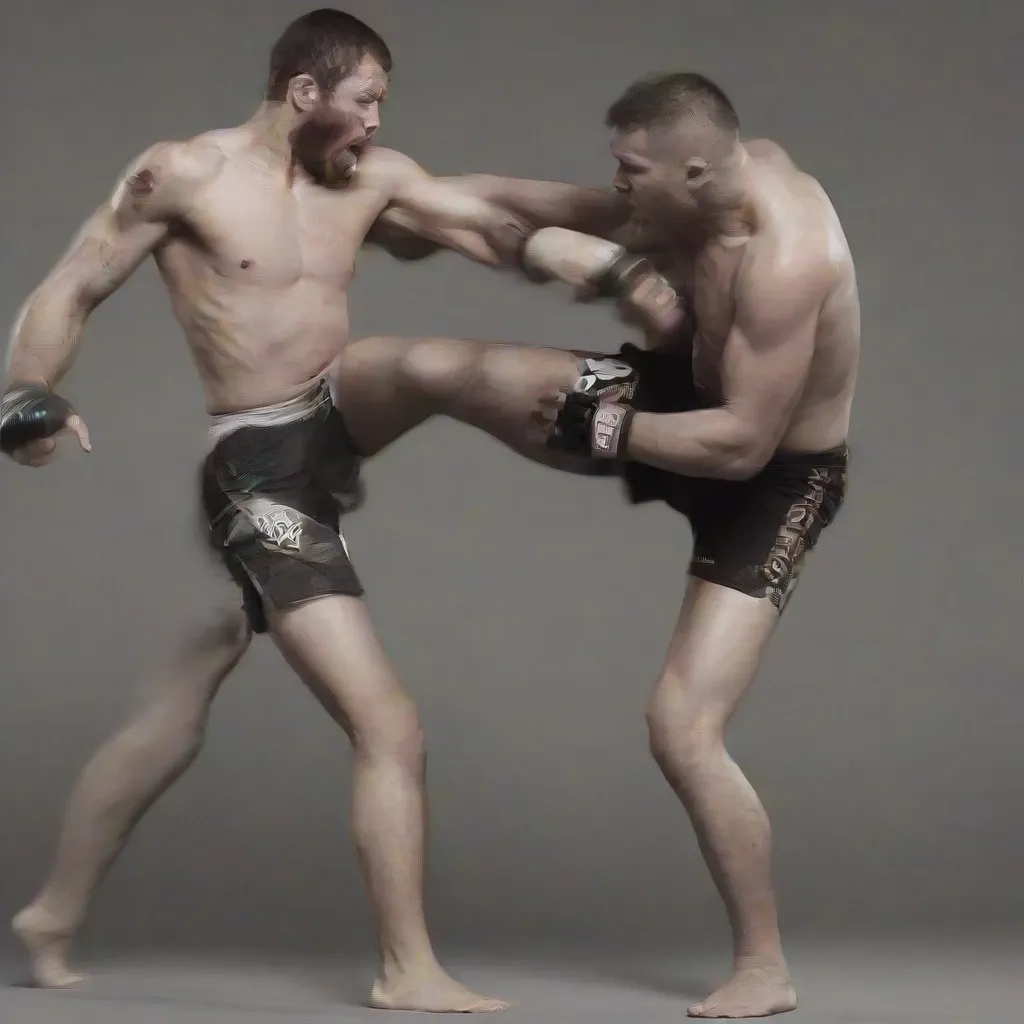
Ground and pound is a brutal yet effective strategy in mixed martial arts, turning grappling dominance into fight-ending strikes. It’s not just about landing blows; it’s a calculated assault that combines positional control with devastating striking.
Dominant Positions
The full mount is arguably the most dominant position in ground and pound. From here, a fighter has maximum control and can unleash a barrage of punches and elbows. However, maintaining the mount requires constant adjustments to counter the opponent’s attempts to buck and escape. Side control offers a more stable base and allows for focused attacks, particularly with knees to the body and head. While not as offensively potent as the mount, side control provides excellent control and can be used to wear down an opponent. Half guard is a transitional position, less dominant but still offering opportunities for strikes. From here, a fighter can land short punches and elbows while working to improve their position or pass to full mount or side control. Each of these positions offers a unique blend of control and striking opportunities, demanding adaptability and awareness from the fighter.
Effective Striking
Effective striking in ground and pound is about more than just power; it’s about precision and timing. Elbows are particularly devastating due to their ability to cut and cause significant damage. Short, controlled punches can overwhelm an opponent, while hammer fists can exploit openings and target vulnerable areas. Body shots are crucial for sapping an opponent’s strength and breaking their will. The key is to vary the attack, mixing power shots with more subtle strikes to keep the opponent guessing. Transitioning smoothly between strikes and positional adjustments is vital for maintaining control and maximizing damage. A fighter must be able to recognize openings, anticipate their opponent’s movements, and capitalize with the right strike at the right moment. Landing strikes that count requires the fighter to be calculated and take calculated risks, maximizing damage.
How Judges Score Ground and Pound
Ground and pound is a fight strategy where a fighter takes their opponent to the ground and delivers strikes from a dominant position. But how do judges score this technique? It boils down to a few key elements according to the unified rules: damage, control, and activity.
Damage is the most significant factor. Judges look for strikes that cause visible harm or have the potential to end the fight. A flurry of weak punches might look busy, but they won’t score as highly as a few well-placed, powerful blows. Control refers to maintaining a dominant position, like full mount or back control. While control alone doesn’t guarantee a high score, it allows a fighter to inflict more damage and dictate the pace of the fight. Activity is also important. A fighter has to be throwing punches or attemping submissions. If there is no activity, there is no score regardless of control.
The difference between a 10-9, 10-8, or even a 10-7 round often hinges on the effectiveness of ground and pound. A 10-9 round is a close round, maybe a bit of ground and pound, but both fighters have a pretty equal performance. A 10-8 round indicates clear dominance, with significant damage inflicted through ground and pound. A 10-7 round is a near-stoppage, where one fighter is overwhelming their opponent with relentless ground strikes. In those cases, the fight should probably be stopped.
Ultimately, scoring remains subjective. There can be many metrics, they are not all followed by every judge, but in general, the more damaging blows landed, the higher the score tends to be.
Defending Against Ground and Pound
Ground and pound is a brutal reality in MMA, but a solid defense can turn the tide. This section breaks down key strategies to survive and escape this punishing attack. The focus is on actionable techniques, not just theoretical concepts. Learn to minimize damage, retain your guard, and create opportunities to escape or even launch a counter-attack. Mastering these defensive skills is crucial for any fighter looking to control the fight, even from the bottom.
Damage prevention
In a ground and pound situation, damage prevention is the first line of defense. The initial priority is head protection. Keeping your hands high, close to your face, offers a crucial shield against strikes. Forearms should be tight to the temples, elbows tucked in to protect the ribs. Constant movement, even small shifts in position, makes it harder for your opponent to land clean, powerful blows. Don’t just cover up passively; actively anticipate strikes and angle your body to deflect them, minimizing the impact of each blow.
Escaping danger
Escaping a ground and pound requires technical skill and awareness. One fundamental technique is creating space. Hip escapes, also known as bridging, allow you to disrupt your opponent’s balance and create a window for movement. Simultaneously push against their hips while shrimping your legs away, creating space to potentially recover guard or stand up. Another crucial aspect is submission awareness. Often, in a desperate attempt to finish, your opponent might leave an arm or neck exposed. Be ready to capitalize on these openings, transitioning to a submission attempt like a triangle choke or armbar to quickly change the dynamic of the fight.
Ground and Pound Specialists: Case Studies
The ground and pound discipline has been honed to devastating effect by several MMA fighters. Examining the careers of these specialists provides insight into the techniques and strategies that make this approach so formidable. Consider, for example, the career of Mark Coleman, a pioneer of ground and pound. His wrestling base allowed him to secure takedowns, after that he would unleash relentless strikes, overwhelming opponents. His fight against Don Frye at UFC 101 is a prime example of this brutality and effectiveness.
Another example is Cain Velasquez, whose cardio and pace, combined with accurate striking from top position, made him a terrifying ground and pounder. He used constant pressure and volume to break down opponents. The rematch against Junior dos Santos showcased Velasquez’s ability to dominate with ground strikes.
Khabib Nurmagomedov’s grappling and suffocating control made his ground and pound particularly damaging. His ability to maintain top position while delivering targeted blows wore down opponents both physically and mentally. His fights against Edson Barboza showed his dominance in the ground and pound.
These fighters show different approaches to ground and pound, from Coleman’s raw power to Velasquez’s volume and Nurmagomedov’s control. All three found consistent success exploiting openings and weaknesses on the ground for finish.
Training for Ground and Pound: A Comprehensive Approach
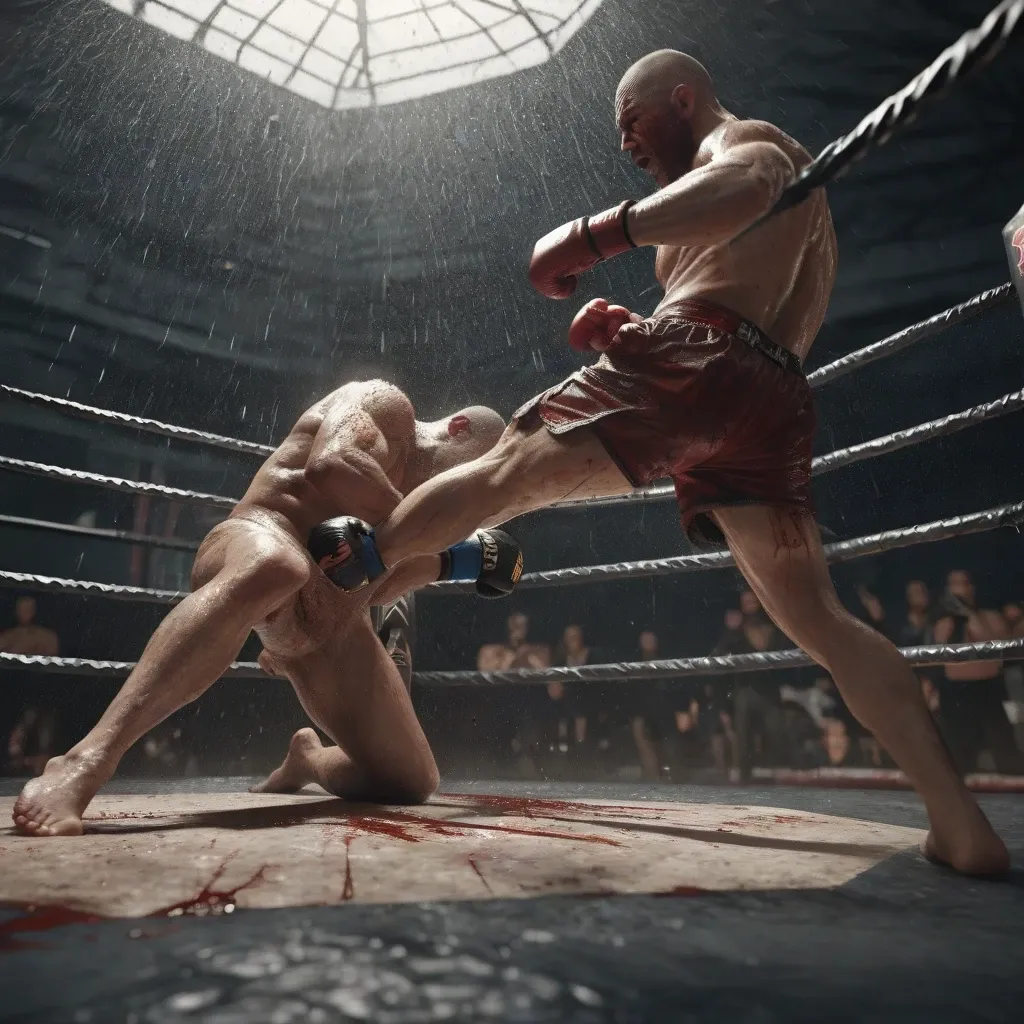
Ground and pound is a devastating MMA strategy. Proper training is essential to master it. A comprehensive approach encompasses various elements. It includes focused drills, strategic sparring, and dedicated strength and conditioning. Also, a well-defined game plan is crucial for success in ground and pound.
Effective Drills
To improve ground and pound, incorporate specific drills. For example, practice transitioning from dominant positions to strikes. Work on maintaining top control while delivering effective blows. Develop your ability to posture up and generate power. Shadowboxing with ground and pound motions increases fluidity. Consistent drilling ingrains proper technique and builds muscle memory.
What Sparring to Do?
Sparring is vital but needs careful consideration. Focus on positional sparring. Start in dominant positions and practice ground and pound. Avoid purely striking-based sparring. It doesn’t translate well to ground and pound. Integrate wrestling and grappling rounds that transition to strikes. This simulates the dynamic nature of a real fight. Sparring should improve control, technique, and power in a realistic setting.
The Future of Ground and Pound in the UFC
The ground and pound game in the UFC is far from static; it’s a constantly evolving beast. Looking ahead, several trends could reshape its role in MMA. Rule changes, particularly those concerning permissible strikes or allowed grappling techniques, will inevitably force fighters and coaches to adapt. We might see a greater emphasis on positional dominance as a means to create ground and pound opportunities, prioritizing control and safety over sheer power. New techniques focusing on maximizing damage from less compromising positions could emerge. Furthermore, the increasing athleticism and well-rounded skill sets of modern fighters mean that simply being a strong ground and pounder isn’t enough. Future success will likely depend on seamlessly integrating ground and pound into a more comprehensive fighting style, combining it with striking and submission threats to keep opponents guessing. The future of ground and pound demands adaptation.
Conclusion
In summary, ground and pound remains a pivotal strategy in the UFC, blending grappling prowess with striking force to create dominant performances. This technique, when executed effectively, can lead to fight-ending knockouts or critical damage accumulation, influencing judges’ decisions. For fighters and coaches, mastering ground and pound involves dedicated training in both grappling and striking disciplines, coupled with strategic positioning and relentless pressure. As a fan, appreciating the nuances of ground and pound enhances the understanding and enjoyment of the sport. The effectiveness and application of ground and pound continue to evolve, solidifying its place as a fundamental aspect of mixed martial arts.