Master the Trickle Screen Snipe: Hockey’s Deceptive Scoring Tactic

In the fast-paced world of hockey, where split-second decisions can change the game, the “trickle screen snipe” stands out as an effective offensive tactic, a move that can unlock scoring opportunities. The beauty of the trickle screen snipe is in its deception; it’s designed to make goalies misread the play, opening up scoring chances that wouldn’t otherwise exist.
While goals are the ultimate objective, the true value of the trickle screen snipe extends beyond lighting the lamp. It’s a testament to improved hockey IQ. This play demands precision, timing, and an understanding of defensive positioning, forcing players to elevate their awareness and anticipation on the ice.
The modern NHL game is evolving. The areas around the net are prime real estate. If you watch carefully, you’ll notice a trend: goals are increasingly scored from tighter angles and rebounds. The trickle screen snipe plays perfectly into this evolution, turning seemingly harmless situations into high-danger chances. This tactical approach isn’t just about scoring; it emphasizes the growing importance of hockey smarts.
Understanding the Trickle Screen
The trickle screen, a deceptively simple yet highly effective offensive tactic in hockey, involves momentarily obstructing the goalie’s vision and creating a brief distraction. Unlike a traditional screen, where a player stations themselves firmly in front of the net, the trickle screen is more fluid and dynamic.
Imagine a player skating towards the net, briefly positioning themselves between the shooter and the goalie just as the shot is released. This “trickle” of interference, though fleeting, can be enough to disrupt the goalie’s focus, increasing the likelihood of a goal. The key is timing and positioning. A well-executed trickle screen isn’t about overpowering the goalie; it’s about subtle deception. The success of the trickle screen emphasizes the growing importance of hockey IQ. Deception is more important than ever in today’s game of hockey. The ability to think creatively and exploit momentary advantages is what separates good players from great ones.
The Snipe Defined: Accuracy Over Power
In the realm of hockey shots, the ‘snipe’ reigns supreme, not for its brute force, but for its pinpoint accuracy. A true snipe isn’t just about getting the puck on the net; it’s about surgically placing it where the goalie has virtually no chance – typically the upper corners, just under the crossbar.
The key to unleashing a devastating snipe lies in mastering accuracy. While a powerful slapshot might impress with its velocity, a well-placed wrist shot or snap shot, guided by subtle wrist and hand movements, can be far more effective. Focus on visualizing the target, maintaining a steady grip, and following through with the shot. It’s about finesse over force – guiding the puck with precision.
Countless NHL highlights showcase the artistry of the snipe. Think of those seemingly impossible shots that find the back of the net, leaving goalies frozen in disbelief. These moments underscore a fundamental truth: in hockey, accuracy trumps power. A perfectly placed snipe can demoralize the opposition and electrify the crowd, proving that sometimes, the quietest shot makes the loudest statement.
Player Roles and Responsibilities
The success of the trickle screen snipe, like any well-executed hockey play, hinges on the precise execution of specific player roles. Three key individuals are involved: the screener, the passer, and the shooter. Each has critical responsibilities that contribute to the overall effectiveness of the offensive teamwork.
The screener‘s role is one of subtle disruption. Positioned strategically in front of the goalie, the screener aims to impede the goalie’s vision without drawing a penalty for interference. This player creates a momentary distraction and obscures the goalie’s view of the puck, increasing the likelihood that a well-placed shot will find the back of the net. Think of it as legal interference, an art performed to perfection.
The passer is the playmaker, responsible for delivering an accurate and well-timed pass to the shooter. Precision is paramount. The pass must be delivered with the right speed and placement, allowing the shooter to quickly receive the puck and get a shot off before the defense can react. The passer needs to read the play, anticipate the shooter’s movement, and thread the needle—all under immense pressure.
Finally, the shooter is the finisher, tasked with quickly receiving the pass and firing a precise shot on goal. With minimal time to react, the shooter must have excellent hand-eye coordination, a quick release, and the ability to accurately target the net. The shooter is the one who converts all the hard work of his teammates into a goal. Imagine a sniper calmly taking aim, the arena noise fading away as focus sharpens on one thing: the back of the net.
In the grand scheme of the NHL, these key roles are what help execute plays with incredible precision and power. The right balance, the right timing, and the right players in the right spots can turn a simple play into a highlight-reel goal. It is one glorious tapestry of teamwork, skill, and strategic execution.
Executing the Play: Step-by-Step
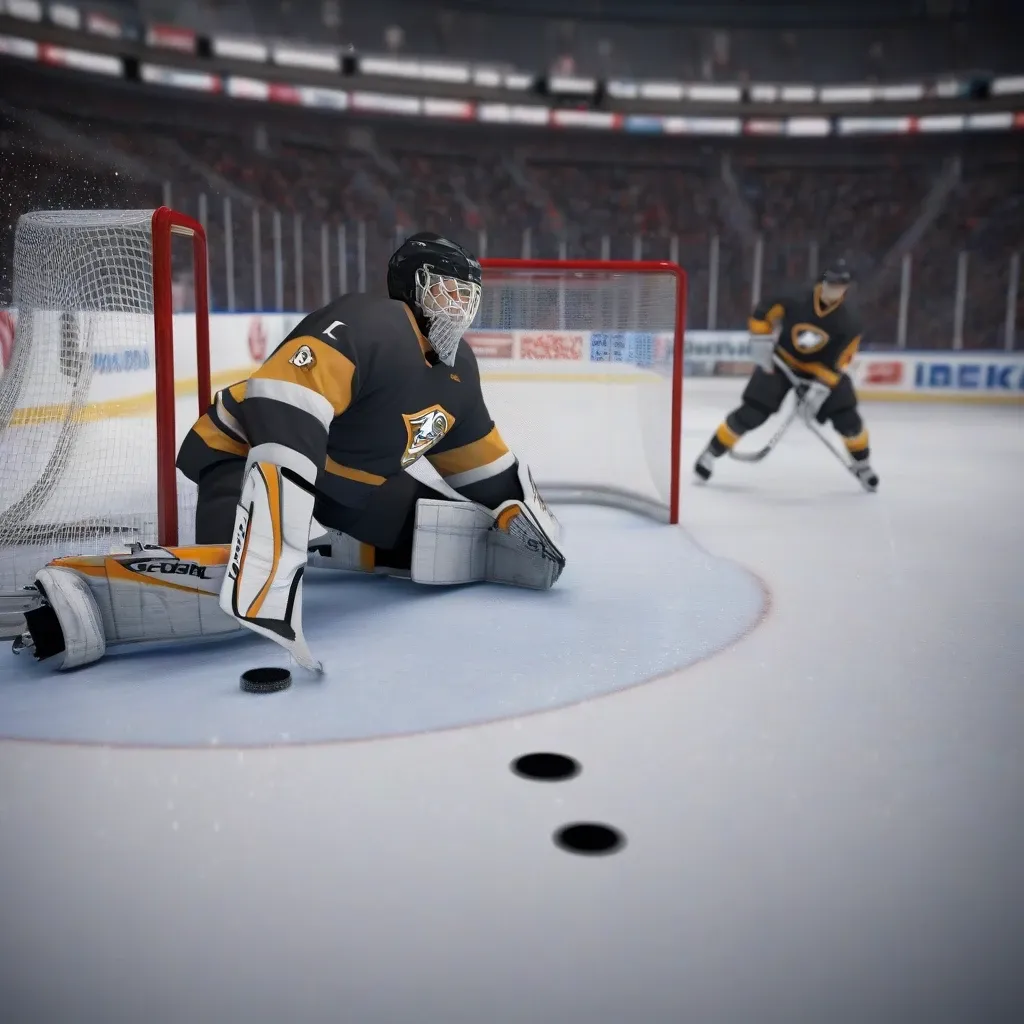
The trickle screen snipe is a dynamic offensive strategy that can catch opponents off guard. Successful execution relies on precision, timing, and seamless teamwork. Here’s a breakdown of how to bring this play to life:
- Initial Positioning: The center carries the puck into the offensive zone. The winger on the strong side (the side with the puck) drifts slightly towards the high slot, while the weak-side winger positions themselves near the face-off dot on the opposite side. The defenseman trails the play, holding the blue line.
- The Trickle Screen: As the center approaches the top of the circle, they perform a subtle “trickle,” lightly tapping the puck towards the strong-side winger. This isn’t a hard pass, but more of a guided release, designed to draw the attention of the defending players.
- Winger’s Screen & Deception: The strong-side winger, receiving the trickle, immediately initiates a screen on the defenseman covering the weak-side winger. The key here is deception: briefly act as though you might shoot to freeze the defender.
- The Snipe: The weak-side winger, using the screen to create separation, explodes towards the net. The strong-side winger then delivers a quick, accurate pass to their teammate in the newly created opening. The weak-side winger executes a swift shot on goal.
- Follow-Through & Rebound: After the shot, players drive towards the net, anticipating a rebound. The defenseman moves in to provide support and prevent a quick counterattack.
Drills for Mastery
To master the trickle screen snipe:
- Screening Practice: Focus on setting effective screens, maintaining balance, and avoiding penalties.
- Quick Passing Drills: Develop puck movement.
- Shooting Accuracy: Practice shooting quickly in stride.
Reading the Ice and Identifying Opportunities
Unlocking the trickle screen snipe begins with a deep understanding of hockey IQ—the ability to anticipate plays and recognize advantageous situations. It’s about more than just skating and shooting; it’s about reading the ice and identifying opportunities before they vanish.
Power plays are prime hunting grounds for the trickle screen snipe. With the defense stretched thin, lanes open for creative plays. Similarly, when the defense is caught out of position – perhaps a defenseman pinched too deep or a missed coverage assignment – opportunity knocks. These moments are golden.
A screened goalie is a vulnerable goalie. If a teammate manages to obstruct the goalie’s view, even momentarily, the odds of a successful snipe increase dramatically. A distracted goalie is just as susceptible. A quick look to the bench, entanglement with a player—these brief lapses in focus are all it takes.
Exploiting defensive weaknesses is crucial. Look for gaps in coverage, overloaded zones, or defenders who are slow to react. Creating open shooting lanes is the other half of the equation. Deceptive skating, crisp passes, and smart positioning can all contribute to carving out space for a clean shot.
Mastering offensive awareness is a sure fire way to leave the opposing team picking the puck of the back of their net. By recognizing certain scenarios and improving hockey IQ, any team can start to implement this play into their strategy.
Common Mistakes and How to Avoid Them
Even the most promising trickle screen snipe attempts can fall apart due to easily avoidable errors. A frequent culprit is poor passing. A wobbly or misplaced pass makes it difficult for the shooter to receive the puck cleanly and get a quick shot off. Focus on crisp, tape-to-tape passes during practice to eliminate this issue. Similarly, inaccurate shooting can negate a well-executed screen. Incorporate shooting drills that emphasize accuracy and quick release.
An ineffective screen is another common pitfall. The screener must establish a solid position, impeding the defender’s ability to contest the shot. Players should practice setting screens that are both legal and truly disruptive. Avoid drifting or failing to maintain contact. Another mistake is telegraphing the play. If the setup is predictable, defenders can anticipate the screen and disrupt the play. Varying the timing and positioning of the screen can keep opponents guessing.
Rushing leads to mistakes. Players should ensure they have time and space to execute each step correctly: pass, screen, and shot. Attempting to rush increases the likelihood of errors.
Drills and Practice
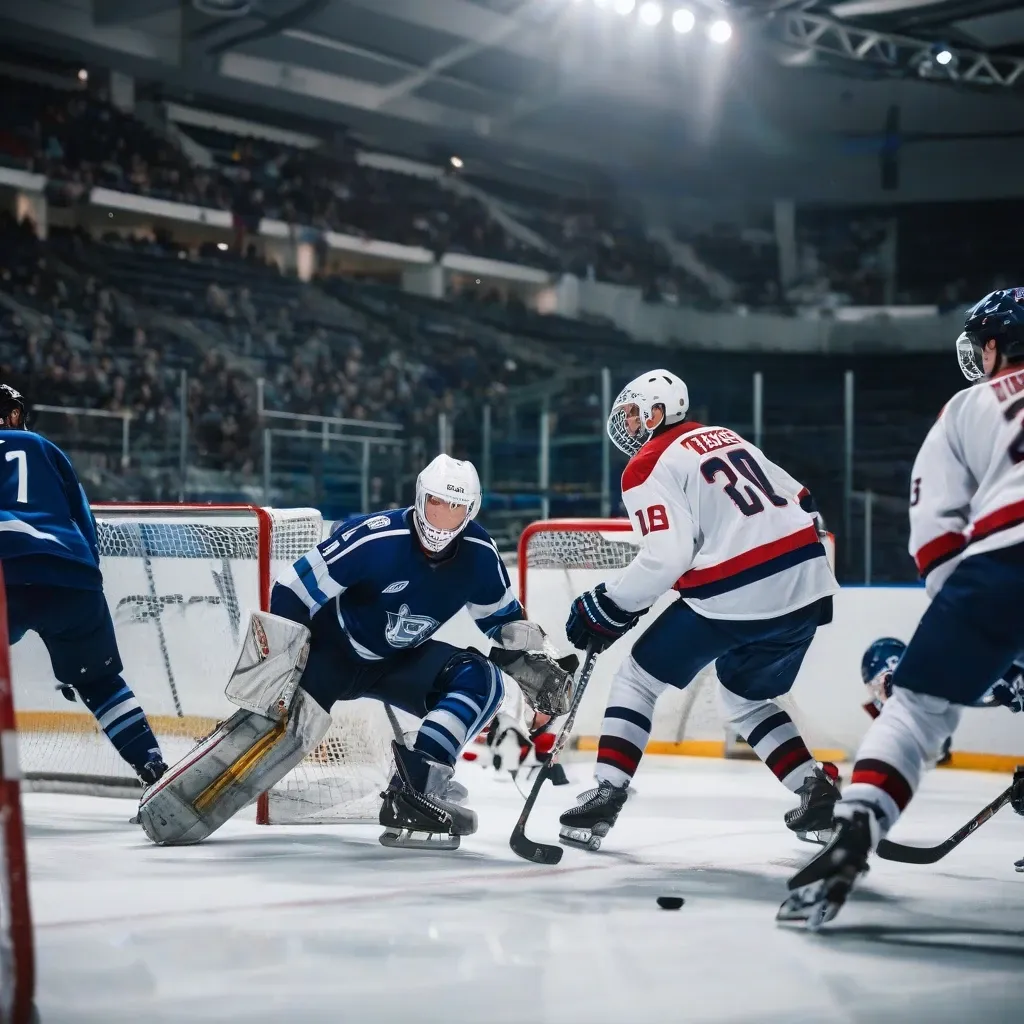
Mastering the trickle screen snipe requires dedicated practice. To elevate your game, incorporate targeted hockey drills focusing on the core skills: passing accuracy, shot speed, and effective screening. These drills are designed to sharpen individual abilities and translate them into seamless teamwork on the ice.
Passing Precision Drill: Set up targets at varying distances around the perimeter of the face-off circle. Players practice making crisp, accurate passes to hit the targets. Progress by adding a defender who applies light pressure, forcing players to make quick decisions and execute precise passes under duress. This simulates the tight windows available during game situations.
Rapid Fire Shooting Drill: Position players at the top of the circle with a supply of pucks. On a signal, players rapidly fire shots on net, focusing on quick release and pinpoint accuracy. Vary the angle and distance of the shots to challenge players. The emphasis is on generating power and precision in rapid succession, replicating the scoring opportunity created by the trickle screen.
Screening Proficiency Drill: Divide players into groups of three: a shooter, a screener, and a defender. The screener positions themselves in front of the net while the shooter receives a pass from the point. The shooter then uses the screen to fire a shot on net while the defender tries to block the play. Rotate positions to ensure each player practices each role. Focus on maintaining solid screen position, using body positioning to obstruct the goalie’s view.
These drills can be woven together to create more complex, game-like scenarios. The key is to consistently challenge players, encourage creativity, and provide constructive feedback. Remember, consistent dedication to skill development on the practice rink makes players feel more capable and confident when performing the trickle screen snipe in a real game.
Advanced Variations and Tactics
Once the basic trickle screen snipe becomes a staple in a team’s offensive arsenal, it’s time to introduce more advanced variations. The beauty of this play lies in its adaptability – a simple change in angle or screening technique can throw the defense into disarray. These advanced hockey tactics keep the opposition guessing and unable to effectively counter your offensive strategy.
One effective variation involves incorporating different passing angles. Instead of a straight pass to the shooter, consider a lateral pass or a drop pass just before the screen. This forces the goalie to adjust their position and react to a moving puck, increasing the likelihood of finding an opening. The element of surprise is a crucial component in these offensive variations.
Another layer of complexity can be achieved through multiple screeners. Imagine a staggered screen, where one player sets the initial screen and a second player steps in to create a further obstruction. This double screen makes it incredibly difficult for the goalie to track the puck and anticipate the shot. This complex play requires excellent timing and communication between the screeners and the shooter.
Teams can also experiment with screening techniques. A “moving screen,” where the screener slightly adjusts their position as the puck approaches, can further disrupt the goalie’s line of sight. The key is to maintain a legal screen while maximizing the obstruction. Like a chameleon adapting to its environment, this offensive strategy needs to be equally as adaptable to ensure the element of surprise is maintained, thus making it harder for the opponent to adjust.
By constantly evolving and refining the trickle screen snipe with these advanced variations, teams can maintain a potent and unpredictable offensive threat. Always analyze what works, what don’t and adjust and improve.
Conclusion: Elevate your Hockey IQ and Improve the Trickle Screen Snipe
In summary, the trickle screen snipe is a dynamic offensive play that can significantly boost your team’s scoring potential. Its effectiveness lies in deception, timing, and precise execution. By mastering the art of the trickle screen, forwards can create confusion in the defensive zone, opening up prime scoring lanes for a well-timed snipe.
Elevating your hockey IQ involves understanding not just how to execute individual skills, but also how to combine them into strategic plays. The trickle screen snipe exemplifies this concept, blending puck control, spatial awareness, and shooting accuracy. Implement the drills and techniques discussed to sharpen your skills and unlock new offensive possibilities.
Don’t just be a player; be a playmaker. Embrace the creativity and innovation that define the modern game, and watch your hockey IQ soar.