The Psychology of Casino “Near Misses”: How Casinos Keep You Hooked

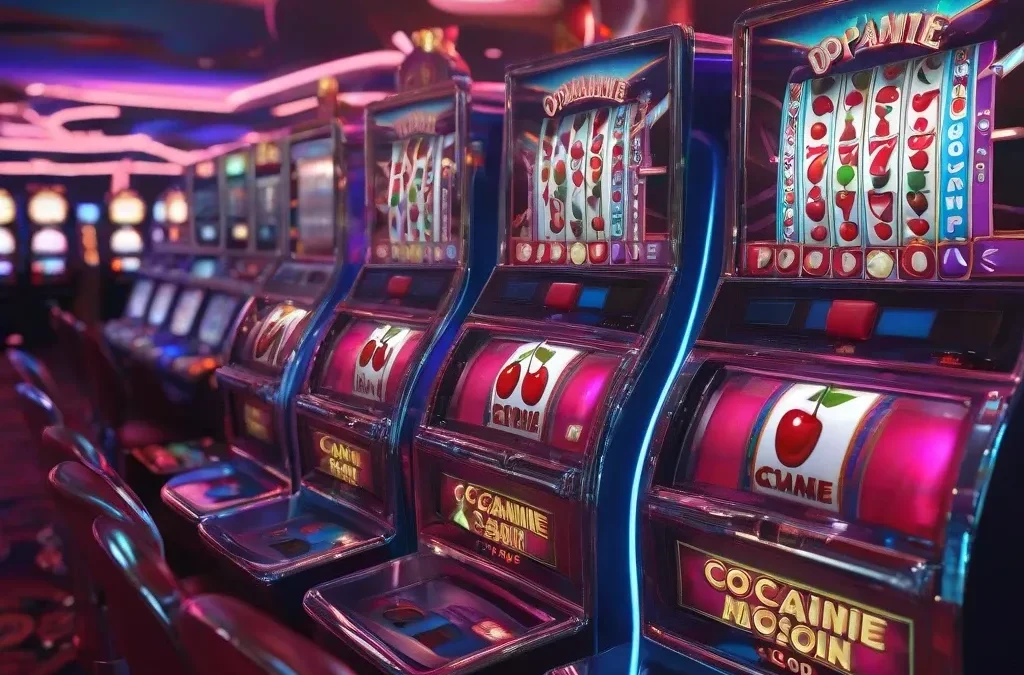
I remember the breathless anticipation as the reels spun on the slot machine, each icon clicking into place with agonizing slowness. Cherry… Cherry… BAR! My heart leaped, then sank. Two cherries. So close. The flashing lights and triumphant jingles of nearby winners seemed to mock my near miss. I wasn’t alone at the casino – and I saw a lot of similar reactions. Is it just random chance that teases us with these “almost wins,” or is there something more insidious at play? Is it the casino playing a trick on the gambler’s minds?
That experience raised a question that has stuck with me. Are these near misses truly random occurrences, or are they carefully orchestrated to keep us feeding coins into the machine? Are casinos using psychology to make profit? Delving into the world of cognitive biases and game design reveals a fascinating interplay of chance, perception, and, perhaps, a touch of purposeful manipulation. Let’s explore the psychology behind those tantalizing “almost wins” and uncover the secrets casinos may use to keep us hooked.
Decoding the Near-Miss Effect
The near-miss effect is a psychological phenomenon, a quirk in how our brains process the agony of defeat in games of chance. It’s that frustratingly close feeling – the almost-win – that makes you feel like you were just a hair’s breadth away from hitting the jackpot. Imagine spinning the reels on a slot machine and landing two cherries, when you needed three for the payout. Or picture sitting at the poker table, holding four hearts, only for the river card to be a spade, crushing your dreams of a flush.
While statistically, a near miss is no different than any other loss, the experience is significantly different. Your brain interprets these close calls as evidence that you’re on the verge of winning, fueling the urge to keep playing. It’s a cognitive distortion; a trick of the mind that makes you believe your chances are improving when, in reality, they remain the same. Every spin, every hand, every roll of the dice is an independent event, unaffected by what came before. The near-miss effect exploits this vulnerability, turning a standard loss into something that feels like progress, subtly encouraging further gambling.
This effect isn’t confined to slot machines. Consider blackjack, where you might bust with a hand of 20, just one point over the target. Or in roulette, the ball landing on 35 when you bet on 36. These near misses, these close encounters with victory, are potent psychological triggers, making gambling more addictive and harder to resist. They provide the illusion of control and the false hope of an imminent win, keeping players engaged even when the odds are stacked against them.
The Neuroscience of “Almost”
Ever felt that pang of excitement, that surge of anticipation, when you almost win? That feeling isn’t just psychological; it’s deeply rooted in the complex wiring of our brains. The near-miss effect, that frustratingly tantalizing brush with victory, powerfully activates the brain’s reward system in much the same way as an actual win.
At the heart of this process lies dopamine, a neurotransmitter crucial for motivation, pleasure, and learning. When we anticipate a reward, like winning a lottery or hitting a jackpot, our brains release dopamine. This release is particularly pronounced in regions like the ventral striatum, a key area involved in processing rewards. Studies show that near misses trigger a dopamine surge in the ventral striatum, closely mirroring the activity seen with actual wins. This neurological response creates a powerful illusion, blurring the lines between success and failure.
The insula, another brain region, also plays a significant role. It’s associated with processing emotions, including frustration and disappointment. Its activation during near misses contribute to the emotional rollercoaster we experience. The University of Waterloo research underscored that near misses elicit similar brain activity patterns to actual wins, specifically within reward-related areas.
This phenomenon can also be explained through the concept of reward prediction error. Our brains constantly predict future rewards and compare those predictions to the actual outcomes. A near miss creates a prediction error signal which then amplifies our attention, driving us to continue pursuing the reward, even when the odds are stacked against us. This neurological feedback loop explains why we often feel compelled to “try again” after almost winning, despite the fact that we technically lost.

Casino Game Design: Engineering the Tease
Casino game design is a sophisticated blend of psychology, mathematics, and art, all aimed at maximizing player engagement. It’s more than just bright lights and catchy sounds; it’s about understanding human behavior and leveraging it to keep players invested. A core tactic in this strategy is the carefully engineered “near miss,” particularly prevalent in slot machines.
The idea of the near miss revolves around the illusion of almost winning. It’s that tantalizing moment when symbols line up just short of a jackpot, creating a surge of excitement and the feeling that the big win is right around the corner. Crucially, these near misses are not accidental glitches or random occurrences, in fact, the technology is there so they can be precisely calibrated into the game’s programming.
At the heart of slot machine design is the Random Number Generator (RNG). This is where the magic happens. The RNG is an algorithm that constantly generates random numbers, which then correspond to specific outcomes on the reels. Developers manipulate the weightings within the RNG to increase the frequency of near-miss scenarios. For example, symbols adjacent to jackpot symbols on the reels might be programmed to appear more often than truly random chance would dictate.
Consider the visual aspects as well. Reel speed and the precise placement of symbols are carefully considered. Slower reel speeds during the final “reveal” can heighten the suspense, while artful placement of near-miss symbols can draw the eye and reinforce the illusion of proximity to winning. Several patents exist relating to near-miss designs, highlighting the industry’s focus on their optimization.
Beyond the Reels: Near Misses in Table Games
The near-miss phenomenon isn’t limited to the spinning reels of slot machines. While less overt, the principles of near misses subtly influence player behavior in table games like blackjack and poker, both online and in brick-and-mortar casinos.
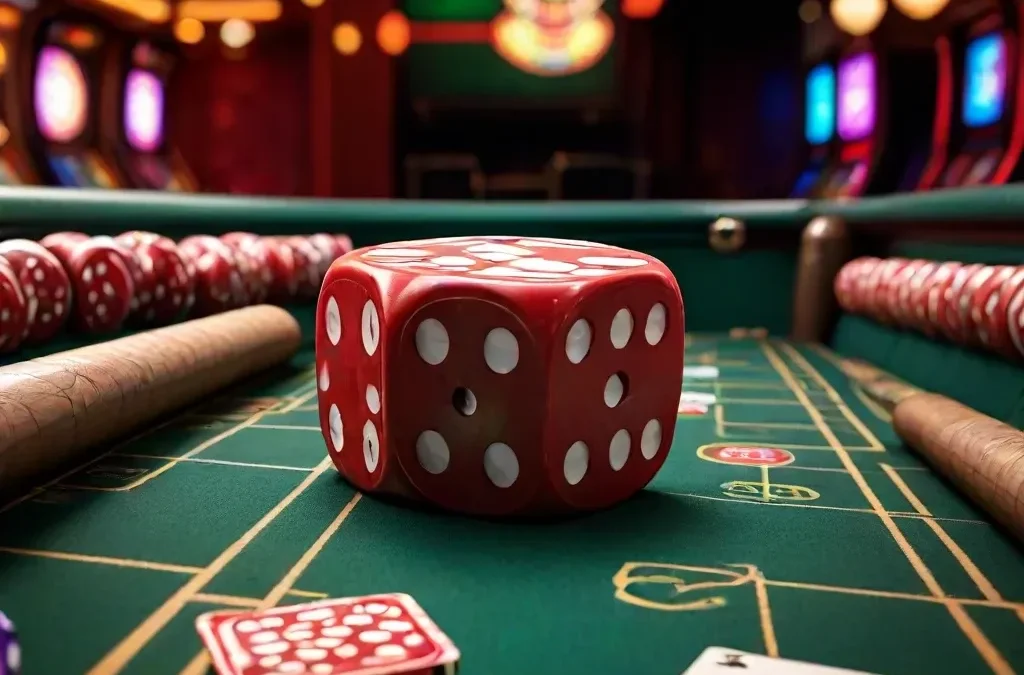
In blackjack, imagine a player hitting on 16 against a dealer’s 10, only to draw a nine for a total of 25. That narrow bust, just one point over 21, feels dramatically different than busting by a larger margin. The feeling of almost getting there can encourage players to take similar risks in the future, believing they are close to mastering the odds.
Poker offers even more nuanced examples. A player might call a large bet with a drawing hand, like four cards to a flush, only to miss their final card on the river. The anticipation and tension of the near-completed flush creates a powerful emotional response, even though the odds may have been against them from the start. This experience can lead to future aggressive plays, chasing similar hands in the hope of finally hitting that elusive winning combination. Skilled poker players often exploit this tendency, knowing that opponents influenced by near misses are more likely to make impulsive decisions.
The Jingle Effect: Sound as a Reinforcement Tool
Auditory cues play a significant role in shaping our perceptions and behaviors, especially in environments designed to be engaging. Jackpot jingles, celebratory chimes, and other carefully crafted sounds are more than just background noise; they act as powerful reinforcement tools, heightening the psychological impact of both wins and near misses.
These auditory cues often function as a form of classical conditioning. Specific sounds become associated with winning, creating a conditioned response of excitement and anticipation. For instance, the distinctive cascade of notes signaling a jackpot triggers a rush of dopamine, reinforcing the gambling behavior. Even when there isn’t a win but a person almost wins, a carefully constructed sound design can amplify the emotional response. A rising pitch or a series of near-hit sound effects can create a tantalizing sense of anticipation, keeping players engaged and motivated to continue.
The principles of sensory marketing are at play in this use of auditory reinforcement. Game sounds are designed to bypass conscious thought and directly trigger emotional responses. The jingles and chimes used are often bright, cheerful, and upbeat, unconsciously influencing a player’s mood and perception of the experience. This sound design is not accidental; it is a deliberate strategy to reinforce behavior and create a more engaging and ultimately more profitable environment.
The Illusion of Control & Other Cognitive Biases
The near-miss effect doesn’t operate in isolation. It’s intricately linked to a web of cognitive biases that skew our perception of randomness and influence decision-making, especially in gambling scenarios. Understanding these biases is crucial to grasping the true power the near-miss holds over us.
One of the most potent biases at play is the illusion of control. This is the tendency to believe we have more influence over events than we actually do, particularly when those events involve chance. In gambling, this might manifest as choosing specific lottery numbers, blowing on dice, or developing elaborate rituals before spinning a roulette wheel. These actions give players a false sense of agency, leading them to believe they can somehow manipulate random outcomes in their favor. The near-miss reinforces this illusion because it feels like skill or strategy isalmost* working, fueling the belief that continued effort will eventually lead to success.
Another common culprit is the gambler’s fallacy. This is the mistaken belief that if something happens more frequently than normal during a given period, it will happen less frequently in the future (or vice versa). For example, after seeing a string of red results on a roulette table, a gambler might irrationally believe that black is “due” to come up. Near-misses exacerbate the gambler’s fallacy by creating a sense of patterns where none exist. A series of near-misses might convince a player that they are “getting closer” to the jackpot, making them more likely to continue betting despite mounting losses. They think it is an obvious pattern to get the victory.
Cognitive biases like these hijack our rational thinking and distort our risk assessment. They muddy the waters, making it challenging to distinguish between skill and luck. The near-miss effect, amplified by the illusion of control and the gambler’s fallacy, creates a dangerous feedback loop that can lead to compulsive gambling and significant financial losses. By understanding these biases, individuals can become more aware of their own vulnerabilities and make more informed decisions.
Responsible Gaming: Staying in Control
Gambling can be an enjoyable pastime, but it’s crucial to maintain control and practice responsible gaming. One common pitfall is the “near miss” – that close-but-not-quite winning outcome that can trigger a rush of adrenaline and the urge to keep playing. Understanding how near misses affect your behavior is the first step towards staying in control.
Recognizing the Near Miss: A near miss is when the outcome of a game is just shy of a win. For instance, in a slot machine, you might get two matching symbols out of three, or in poker, you might need only one card to complete a strong hand. These near misses can trick the brain into thinking a win is just around the corner, fueling the desire to continue gambling. Recognize these situations and understand that they are designed to be enticing rather than indicative of an impending win.
Strategies for Staying in Control:
- Set Limits: Before you start gambling, decide on a budget and a time limit. Stick to these limits regardless of whether you’re winning or losing.
- Take Breaks: Regular breaks can help you clear your head and avoid impulsive decisions. Step away from the game, stretch, and do something unrelated to gambling.
- Avoid Chasing Losses: It’s tempting to try and recoup losses by gambling more, but this often leads to bigger losses. Accept losses as part of the game and resist the urge to chase them.
- Understand the Odds: Be aware of the odds of winning in the games you’re playing. Gambling is a game of chance, and the odds are usually stacked against the player.
- Recognize the Illusion of Control: Gambling can sometimes create a false sense of control. Remember that the outcome of most games is random and that you have no influence over it.
- Practice Mindfulness: Pay attention to your thoughts and feelings while gambling. If you notice yourself feeling anxious, stressed, or overly excited, take a break or stop playing.
If you’re concerned that your gambling is becoming a problem, seek help. There are resources available to provide support and guidance. Remember, responsible gaming is about enjoying the thrill of the game without letting it take control of your life. Self-control and awareness are your best tools for ensuring a safe and enjoyable gambling experience.
Conclusion
Understanding the psychology behind casino games, particularly the “near miss” phenomenon, is crucial for anyone who engages in gambling. As we’ve explored, near misses are not random occurrences; they are carefully engineered to exploit our brains’ reward systems, creating a sense of anticipation and encouraging continued play. This manipulation, while subtle, can significantly impact decision-making, leading individuals to gamble more than they intended.
The allure of casino games lies in the illusion of control and the tantalizing possibility of winning big. However, recognizing the tactics employed by casinos, such as the strategic use of near misses, allows gamblers to approach these games with a more critical and informed perspective. By acknowledging that these games are designed to influence your perception and behavior, you can take steps to mitigate their effects.
It’s essential to remember that responsible gaming is paramount. Setting limits on spending and time, understanding the odds, and recognizing the signs of problem gambling are all vital components of a healthy approach to casino games. Don’t let the thrill of the near miss cloud your judgment or lead you down a path you’ll regret.
Armed with the knowledge of how near misses and other psychological tactics work, you can make more informed decisions and enjoy casino games responsibly. Share this article with your friends and family to help them understand the psychology of casino games and promote responsible gaming practices.